

Featured story
Why Rice Bran Oil Is Quietly Becoming India's Everyday Choice
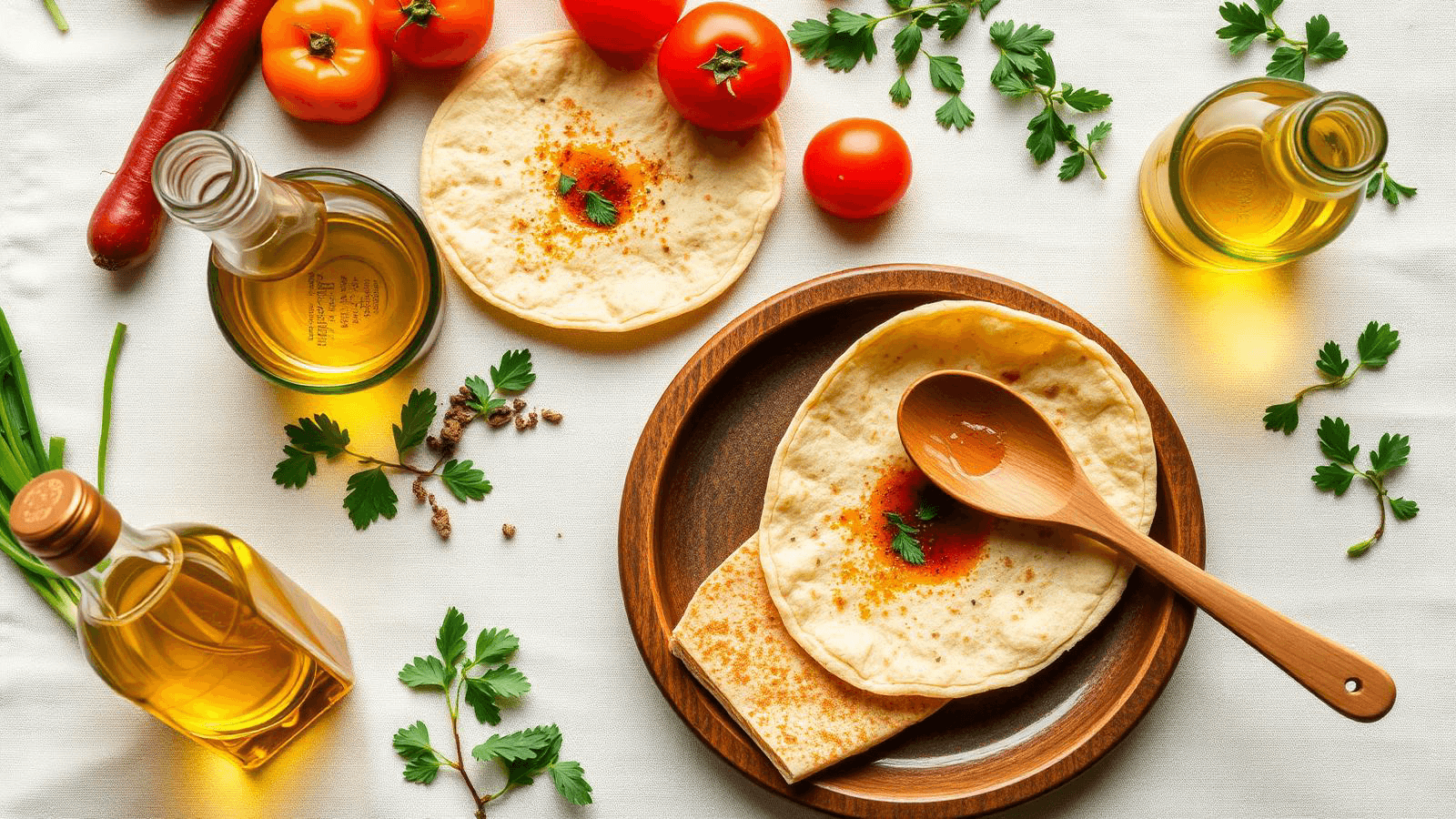
In Indian kitchens, cooking oil is one of the most frequently used ingredients. While consumers once chose oils primarily based on tradition or regional preference, today's households are paying closer attention to quality, versatility, and cooking performance. Among the many options available, rice bran oil has steadily emerged as a preferred choice for everyday cooking across India.
Its growing popularity is not driven by trends alone. Instead, it reflects changing cooking habits, increasing awareness of edible oil quality, and the demand for oils that can perform well across a wide range of Indian dishes.
The Rise of a Versatile Cooking Oil
Rice bran oil is extracted from the outer layer of rice grains, known as bran. As one of the world's largest rice-producing countries, India has a natural advantage in producing and refining rice bran oil for domestic consumption.
What makes rice bran oil particularly appealing is its versatility. From deep-frying snacks and preparing curries to making dosas, stir-fries, and everyday meals, it adapts well to various cooking styles commonly found in Indian households.
Its neutral flavour allows the natural taste of ingredients and spices to remain unchanged, making it suitable for both traditional and modern recipes.
Well Suited for Indian Cooking Methods
Indian cooking often involves high-temperature techniques such as frying, sautéing, tempering, and roasting. As a result, many households look for oils that can perform consistently under these conditions.
Rice bran oil is known for its high smoke point, which makes it suitable for a variety of cooking applications. Whether preparing breakfast, lunch, snacks, or festive meals, it provides flexibility for daily kitchen requirements.
This versatility has made it a practical choice for households, restaurants, caterers, and food service businesses alike.
Consistency Matters to Modern Consumers
Today's consumers are increasingly choosing branded and quality-controlled edible oils over loose or unbranded alternatives. Factors such as product consistency, traceability, packaging standards, and manufacturing practices have become important purchasing considerations.
Modern rice bran oil manufacturers follow refining, filtration, and quality-control procedures designed to maintain consistency across batches. These processes help ensure that the oil meets regulatory and food safety requirements while delivering reliable cooking performance.
For many families, this consistency provides additional confidence when selecting an everyday cooking oil.
Growing Awareness of Food Quality
As consumers become more informed about food choices, there is a greater emphasis on reading labels, understanding ingredients, and selecting products from trusted manufacturers.
Rice bran oil contains naturally occurring compounds such as gamma oryzanol and vitamin E, which are naturally present in rice bran. Increasing consumer awareness about edible oils and their composition has contributed to the growing interest in rice bran oil products.
Rather than focusing on marketing claims, many consumers are simply looking for cooking oils that combine quality, functionality, and everyday practicality.
Supporting India's Agricultural Value Chain
Another reason for the rise of rice bran oil is its connection to India's agricultural ecosystem. Rice bran is generated during rice milling, creating an opportunity to utilise agricultural resources more efficiently.
The production of rice bran oil helps add value to rice-processing operations while supporting industries connected to farming, milling, refining, and food manufacturing. This creates a stronger link between agriculture and consumer products, contributing to broader rural and industrial development.
Its neutral flavour allows the natural taste of ingredients and spices to remain unchanged, making it suitable for both traditional and modern recipes.
A Preferred Choice for Modern Kitchens
The growing acceptance of rice bran oil reflects changing consumer preferences rather than sudden market shifts. Families today want oils that fit multiple cooking styles, offer reliable quality, and come from trusted manufacturers.
With its versatility, neutral taste, suitability for Indian cooking methods, and increasing availability across retail channels, rice bran oil continues to strengthen its position as a practical everyday choice for households across India.
As cooking habits evolve, rice bran oil is steadily moving from being an alternative option to becoming a regular part of the modern Indian kitchen.
Rice bran oil's growing popularity is the result of a combination of factors: versatile cooking performance, suitability for Indian cuisine, quality-focused manufacturing, and increasing consumer awareness. While many edible oils continue to serve different regional preferences and culinary needs, rice bran oil has quietly established itself as a dependable everyday cooking companion for millions of Indian households.
Stories, Tips & Nutrition
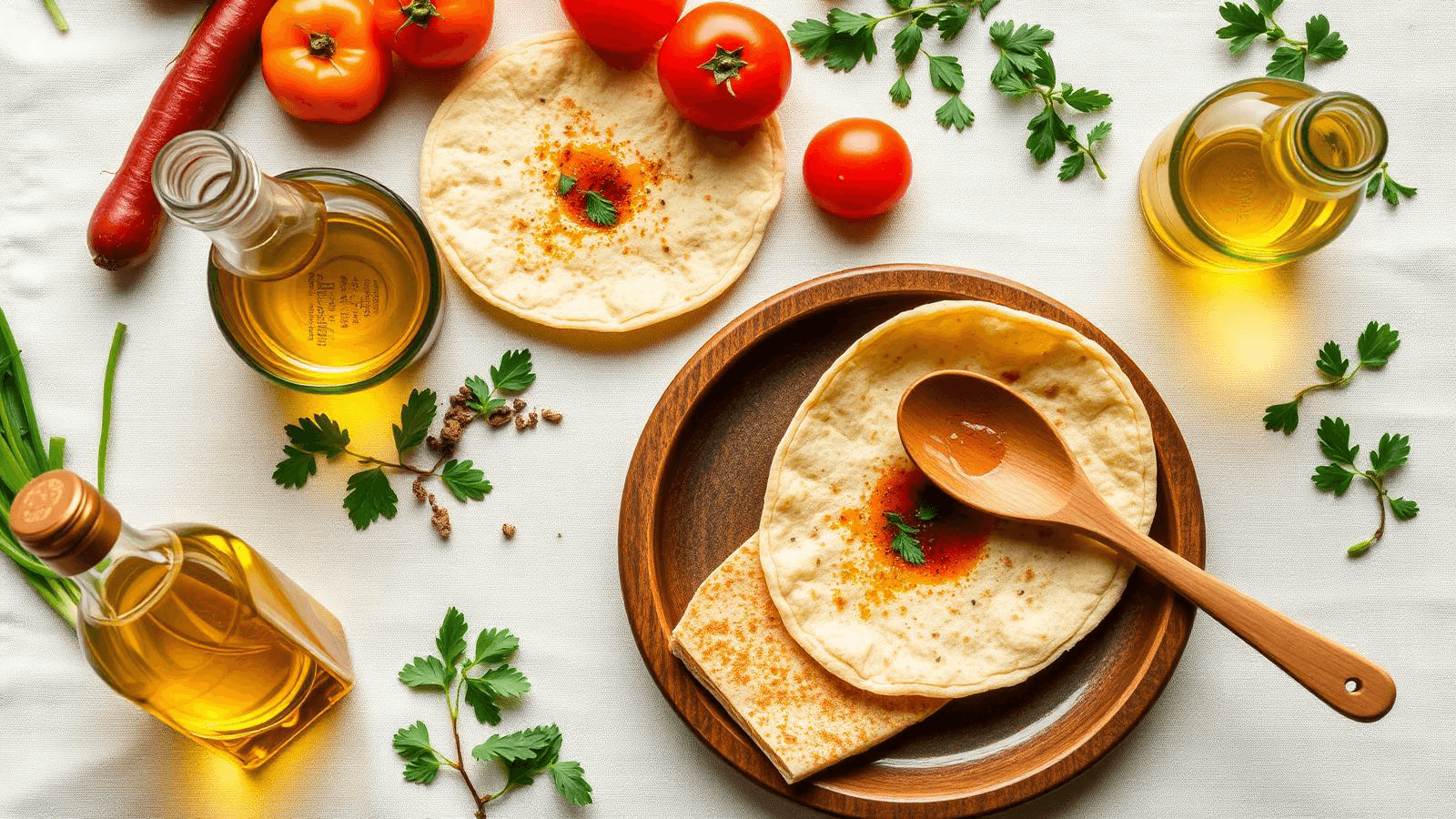
Understanding smoke point: a simple guide for Indian cooking
From tempering to deep-frying match your oil to the heat and protect both flavour and nutrition.
The right way to store cooking oil at home
Light, air and heat are the three enemies of edible oil. Small changes that keep your oil fresh, longer.
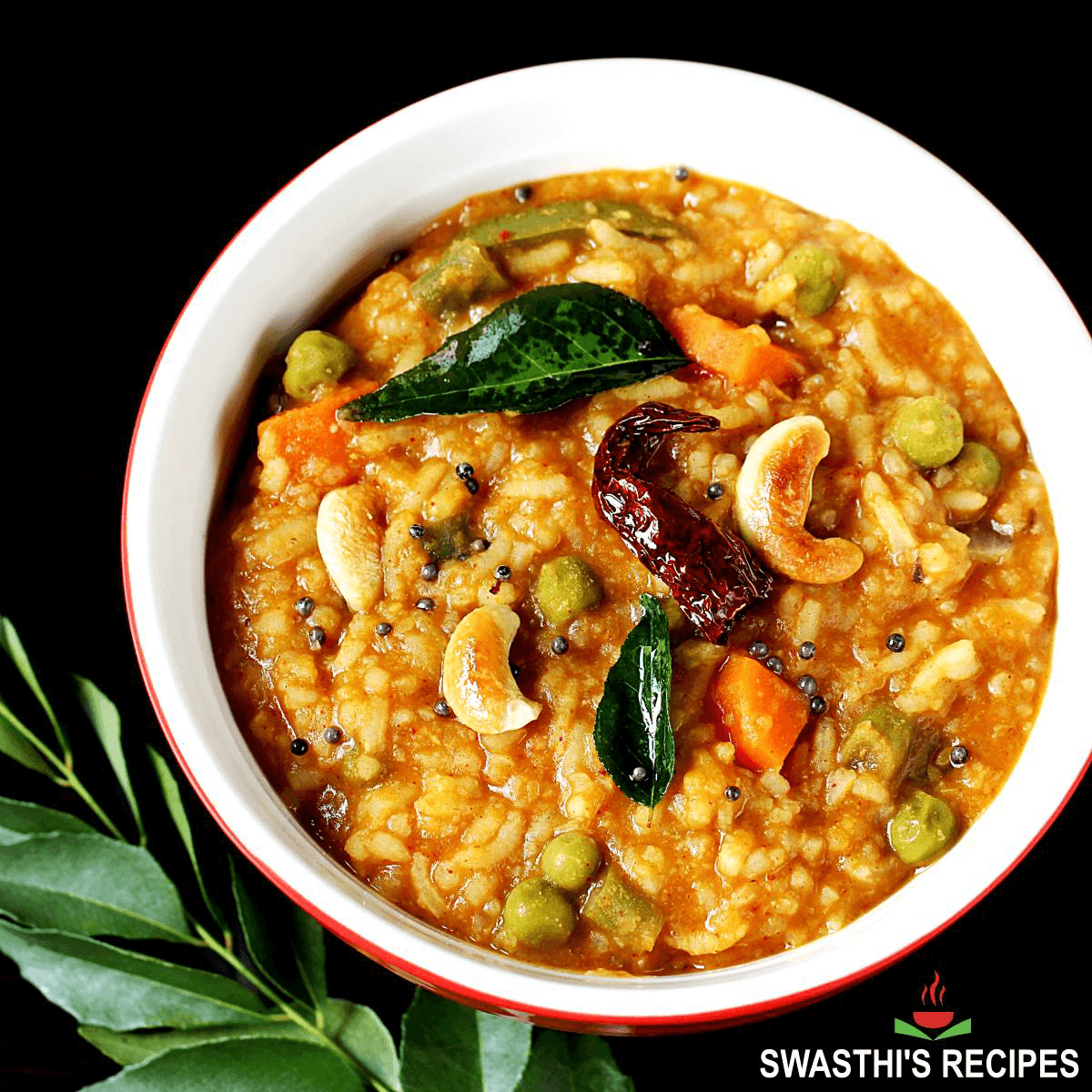
A balanced Karnataka thali the SLS kitchen way
Bisi bele bath, beans palya and a clean rasam — easy swaps to lighten a traditional lunch without losing soul.
Light South Indian breakfasts using rice bran oil
Crisp dosas, fluffy idlis with podi, and a delicate upma all benefiting from a neutral, heart-friendly oil.
Read the StoryFrying, without the guilt: a practical handbook
How to fry mindfully temperature control, batch size, and when to retire your oil for good.
Read the StoryThree weeknight dinners that respect your oil
Stir-fries, a one-pot pulao and a quick paneer recipes designed around minimal oil reuse and maximum flavour.
Read the Story